

Predictive Maintenance of Industrial Infrastructure
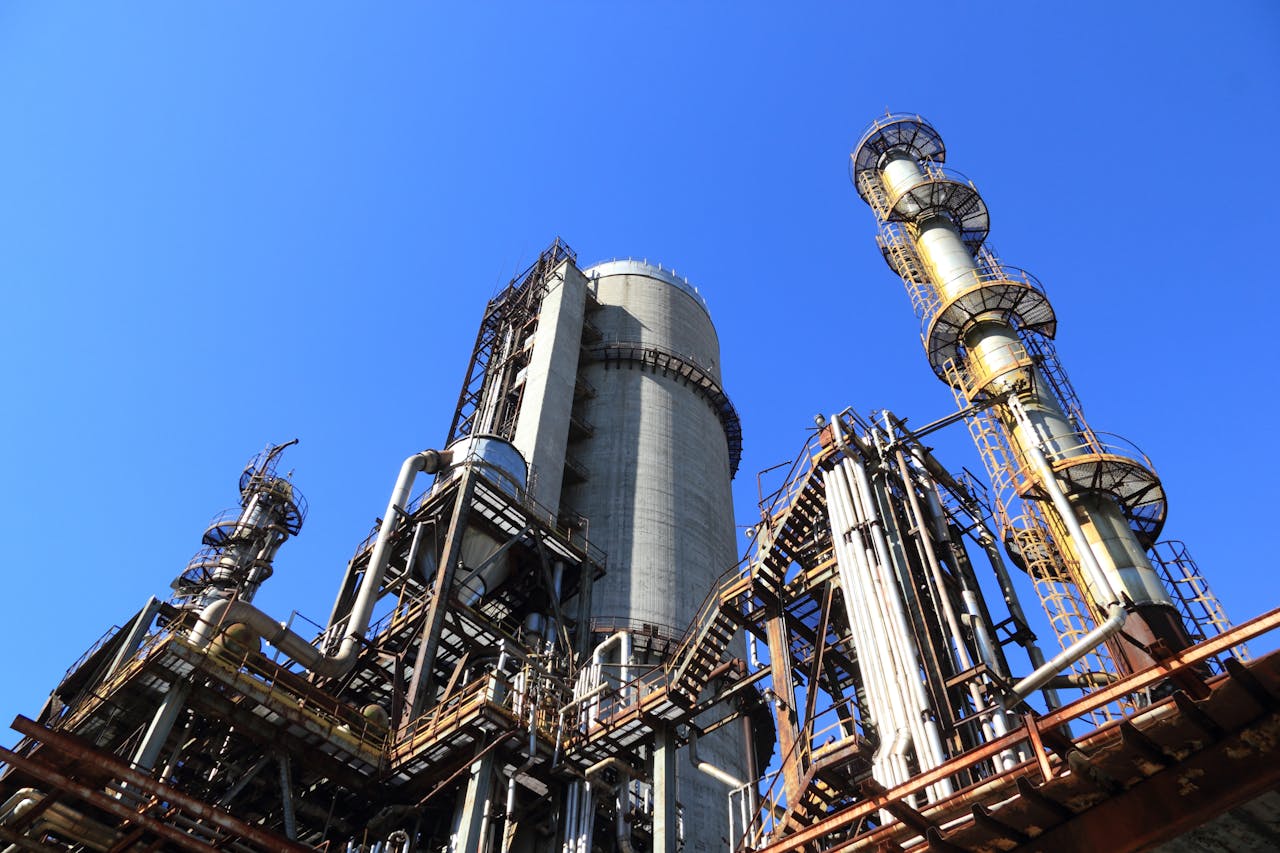
In recent years, the maintenance of industrial infrastructure and equipment has ascended to a strategic priority. What was once purely an operational concern now directly impacts revenue, contractual performance, compliance, and even cybersecurity risks. In parallel with digitalization, an increasing number of companies are recognizing that proactive maintenance - especially when supported by AI-driven monitoring systems - is not a cost center, but a competitive edge.
The New Logic of Maintenance: Data-Driven Decisions
Traditional maintenance models have historically fluctuated between two extremes: reactive intervention after a breakdown or preventive maintenance performed at fixed intervals. Both represent a compromise. The former is high-risk; the latter is often excessive and wasteful.
In contrast, AI-powered predictive maintenance relies on real-time sensor data and machine learning algorithms. The system continuously analyzes vibration patterns, temperature trends, load data, energy consumption, and other operational parameters to forecast the expected failure of a component.
This is more than a technological upgrade; it is a shift in mindset: maintenance is evolving from a reactive or calendar-driven process into risk-based, data-driven decision-making.
Business Benefits: Predictability and Control
The most tangible benefit is the reduction of unplanned downtime. In a manufacturing plant, logistics hub, energy facility, or even a large healthcare institution, an unexpected failure results in immediate revenue loss, contractual penalties, and reputational risk.
Through predictive maintenance, upkeep becomes plannable. Intervention timing can be optimized, spare part inventories rationalized, and maintenance team capacities utilized more efficiently. For the CFO, this translates to better predictability; for the COO, higher availability; and for the CEO, reduced strategic risk.
Crucially, predictive monitoring does more than just cut costs. It extends asset lifespans, optimizes energy usage, and supports the achievement of ESG targets. Modern systems uncover correlations within operational data that were previously invisible, such as the link between specific load patterns and component wear.
The Intersection of Compliance and Resilience
For organizations operating critical or significant infrastructure, maintenance is no longer just a technical matter but a regulatory obligation. The European regulatory landscape - particularly the NIS2 Directive - prioritizes a risk-based approach and documented, proactive measures.
An AI-based monitoring system provides detailed logging, a traceable event history, and auditable operations. This is vital for compliance processes: it proves that the organization is not merely reacting to incidents but is actively identifying and managing operational risks in advance.
Predictive maintenance can thus become part of the compliance strategy. It does not resolve compliance in itself, but it strengthens the organization's resilience and risk management capability.
The Cybersecurity Dimension: When the Monitoring System Becomes a Critical Asset
AI-powered monitoring systems are typically networked, IT-integrated solutions that bridge Operational Technology (OT) and IT infrastructure. While this convergence drives efficiency, it also creates a new attack surface.
A compromised monitoring system can have severe consequences: manipulated sensor data, false alarms, or the masking of real faults. Such an incident represents not just a data breach, but a threat to operational safety.
Therefore, the design of predictive maintenance systems must follow security-by-design principles: network segmentation, access management, encrypted communication, continuous logging, and the integration of incident response processes. The risk-based protection mandated by NIS2 is directly linked to the maintenance architecture here. A monitoring system is simultaneously a tool for risk reduction and a potential risk factor - if not implemented correctly.
A Strategic Decision, Not a Technological Pilot
Many organizations still treat the implementation of predictive maintenance as a purely technical project: purchasing sensors, selecting a platform, or running a pilot. In reality, it is a question of governance and operations.
The key to success lies in placing data within a business context. The goal is not simply to generate more data, but to provide decision-makers with relevant, interpretable, and actionable information. Without aligning maintenance strategy, risk management policy, and cybersecurity architecture, AI-driven monitoring will fail to deliver the expected business impact.
Predictive maintenance is not merely an efficiency tool. For industrial and infrastructure-intensive organizations, it is a cornerstone of resilience, compliance, and competitiveness. Companies that treat this as a strategic priority today are not just saving costs, they are building a more stable, predictable, and secure operating model for the future.
Other News and Events from ViVeTech

What Is Indirect Prompt Injection? How Attackers Hijack AI Agents Through Web Content and Emails
Learn more
További híreink és eseményeink
Mi az az indirekt prompt injection? Így térítik el az AI ágenseket a webes tartalmakon és e-maileken keresztül
Olvasson tovább
Hírlevél feliratkozás

Sign up for our newsletter